


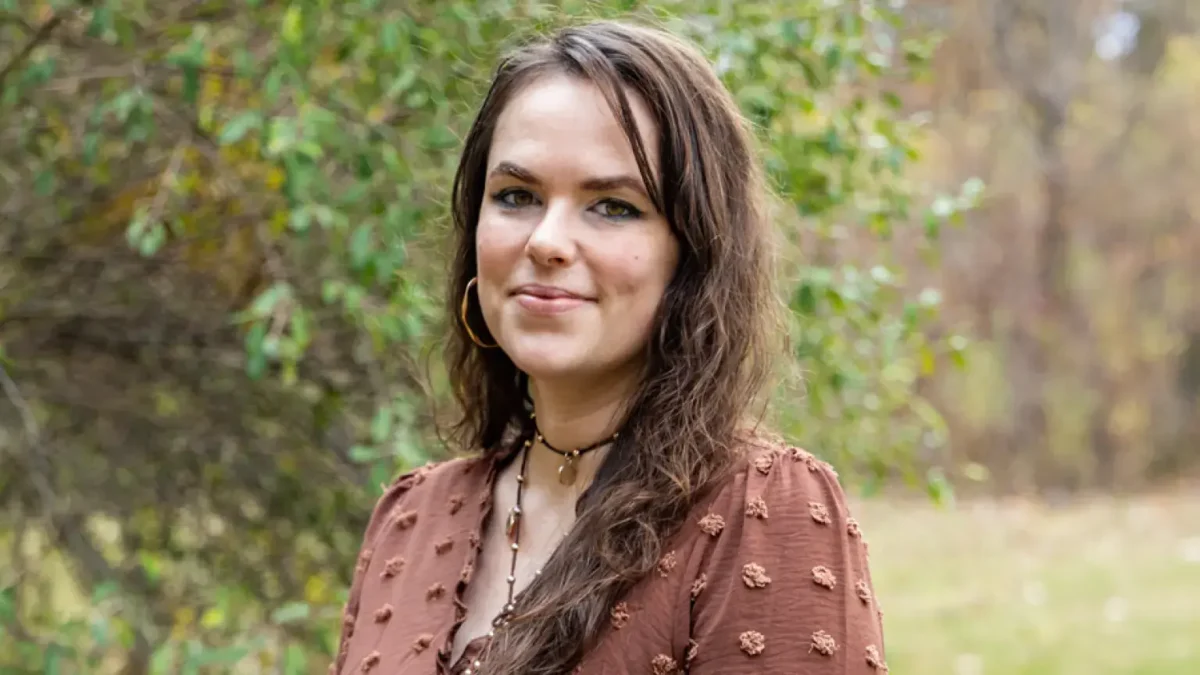
How Anna Newton, LPC, came across NOCD by chance and found a place where she can make an impact
Anna Newton wasn’t searching for NOCD. She was looking for a new role, one that was remote, after working at a community services board (CSB) with adults with schizophrenia and schizoaffective disorder, as well as spending time working with a group practice.
She came across NOCD while scrolling job listings. She was familiar with obsessive-compulsive disorder (OCD), but had never heard of the company. The listing looked interesting, so she decided to apply.
Learning the full depth of OCD
Once she joined NOCD, she found training unlike any of her previous roles. “It was very specific training for OCD, and it was intense,” she says. The expectations were high and the program was rigorous. “I definitely think the training prepared me very well for the role,” she says.
Through the training, she learned just how in-depth OCD really is. NOCD’s training showed her the many subtypes of OCD that exist including harm OCD, scrupulosity OCD, and relationship OCD and how complex this disorder can be.
“There’s a lot more to it than you’re trained in grad school,” she says. “To actually have this training, it was very eye opening for me.”
A clinician Members trust
For Newton, some of the most meaningful work at NOCD has been treating Members with pedophilia OCD (POCD), one of the most stigmatized OCD themes. POCD involves unwanted, intrusive thoughts that people find deeply distressing, not desires they want to act on. These intrusive thoughts are ego-dystonic, meaning they go against a person’s values and beliefs.
The Members she works with are often “some of the kindest, sweetest people you will ever meet, and they would never hurt a child,” she says. Still, the fear and shame that come with this theme can keep them silent. “It’s such a taboo topic and they can’t share their fears with just anyone.”
For many, she’s the first person they feel safe opening up to. “To be that person for them, helping them open up and work through their fears in a healthy way is really, really, powerful. she says. “To be able to tell them that they’re not alone, they’re okay.”
Newton also brings humor into her sessions, even on heavy topics, when it helps lighten things. She shares how she helps Members see that “it’s just their thoughts, it’s just fears, it’s not actually who they are.” The payoff is worth the work. “When people finally get to that place where they understand that they are not their OCD, and see themselves clearly for the first time in their life, it’s pretty awesome” she says.
The rigor that keeps her growing
Four years in, Newton says what keeps her at NOCD is the work itself. She likes using exposure and response prevention (ERP) therapy, which she describes as a more directive approach. “You’re very much involved, and you’re kind of like a teacher, mentor, clinician. You’re wearing many different hats,” she says. She sees people improve, often quickly. “I really do feel like I’m making a difference.”
She also credits the job with making her a stronger clinician. “This job makes you a better clinician, hands down, by strengthening your skills in differential diagnosis, clinical reasoning, and clinical judgment,” she says. It’s intense work, and she’s upfront about that: “It’s not for the faint of heart.”
Her advice for therapists considering the move: come ready to work. “It’s going to be hard, but it’s going to be rewarding,” she says. “If you want to grow as a clinician, this is where it’s at.”
Looking for specialized training and work that makes a difference? Explore therapist opportunities at NOCD.


