



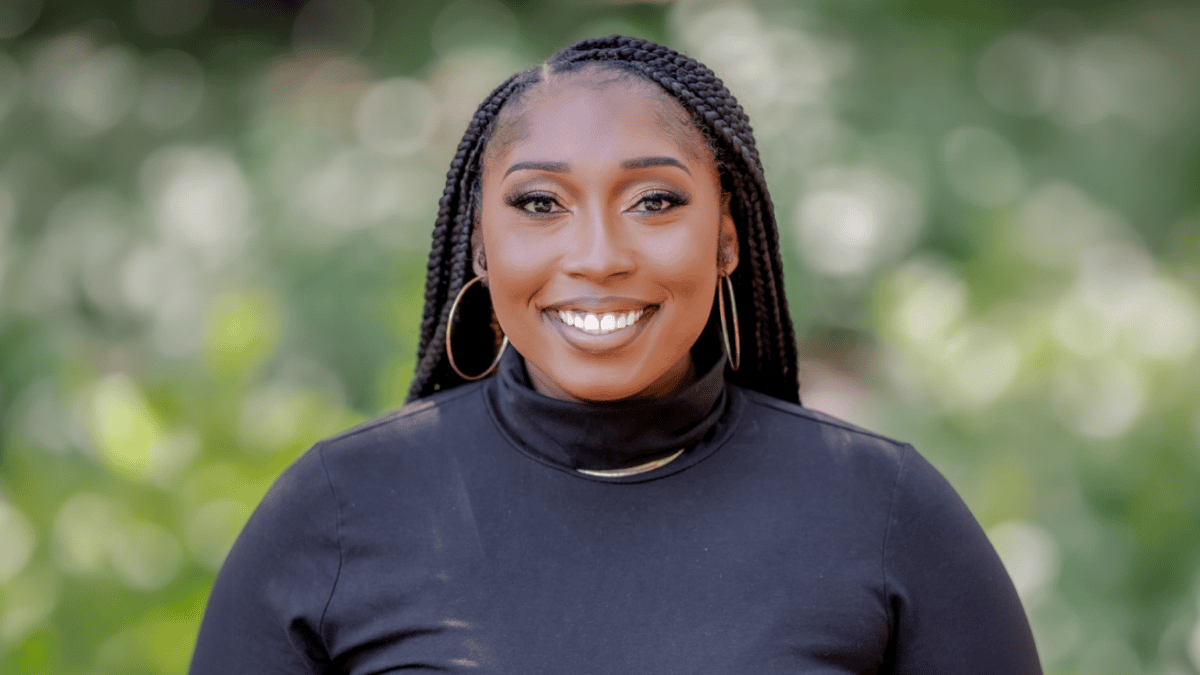
Meet Charlece “Charlie” Bishop, the marriage and family therapist (LMFT) who found a new clinical specialty and a new way to help people
Charlece “Charlie” Bishop, a LMFT with years of experience treating eating disorders, joined NOCD in September 2023 after a colleague told her about it. The treatment approach sounded familiar, which caught her attention, but the population—the people—made her want to learn more.
“I like working with underserved, misdiagnosed populations because they need more advocacy; they need more awareness,” she says.
A Workplace Built on Listening
When she joined, she found a specialty far broader than she had realized, and a treatment approach that felt surprisingly connected to work she already knew how to do.
“One thing NOCD does is that they listen to the clinicians and the Members,” she says. “They’re like, okay, how can we actually make these changes so that we can best benefit our clinicians and our Members?”
She has seen that firsthand through NOCD’s technology platform. Charlie led a consultation group around NOCD’s automated dictation system where clinicians shared feedback about how the tool worked in practice. Their feedback helped shape the way the tool could be used more consistently with both adult and child and adolescent Members.
For Charlie, the practical impact of the tool is simple: less friction around documentation.
“I just love the fact that we have this tool here that makes our work life easier,” she says.
That responsiveness extends beyond the tools clinicians use. Despite working virtually, Charlie says she’s also found a strong sense of connection with her colleagues through NOCD’s Slack channels, including spaces devoted to interests like reading, travel, and more. things she’s interested in outside of work
There’s a parent channel, too. “I’ve never been a part of an organization in this capacity before.”
Give it a shot
For therapists considering NOCD, Charlie is upfront about the fact that learning exposure and response prevention (ERP) therapy can take some getting used to.
“Learning ERP can feel a little weird,” she says.
It can feel different from more traditional forms of therapy, particularly when a clinician is first learning to intentionally help someone approach distress rather than avoid it. By facing discomfort without engaging in compulsions, people can learn to tolerate the distress rather than relying on the behaviors that keep them stuck in the cycle of OCD. Charlie remembers working through that discomfort herself during training.
Her advice is to learn the evidence, understand why ERP works, and give yourself the opportunity to experience the treatment in practice.
“I’ve seen it work countless times over and over and over again,” she says.
For a therapist who arrived at NOCD knowing little about ERP and carrying many of the same assumptions and misconceptions about OCD that exist outside the specialty, that experience has changed the way Charlie understands both.
Asked to sum up her time at NOCD in a phrase, she lands on one that fits her story particularly well:
“The more you know, the more you grow.”
And Charlie has kept learning ever since.
Looking to build your expertise in OCD and join a community of specialized therapists? Explore therapist opportunities at NOCD.


