

If your symptoms don’t look like the stereotypes, it can be hard to know whether they “count” as obsessive-compulsive disorder (OCD). But OCD can show up in many different ways—and learning about common subtypes can help you recognize the patterns in your own symptoms.
What is an OCD subtype?
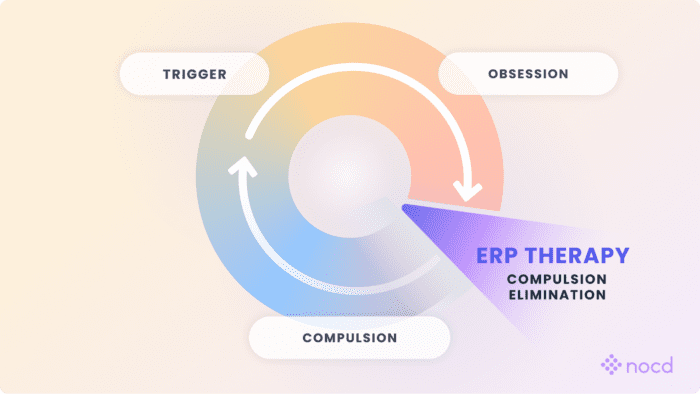
Obsessive-compulsive disorder (OCD) involves intrusive thoughts, images, feelings, urges, or sensations (obsessions) and the mental and/or physical behaviors a person uses to relieve the resulting anxiety or prevent something bad from happening. These behaviors are called compulsions.
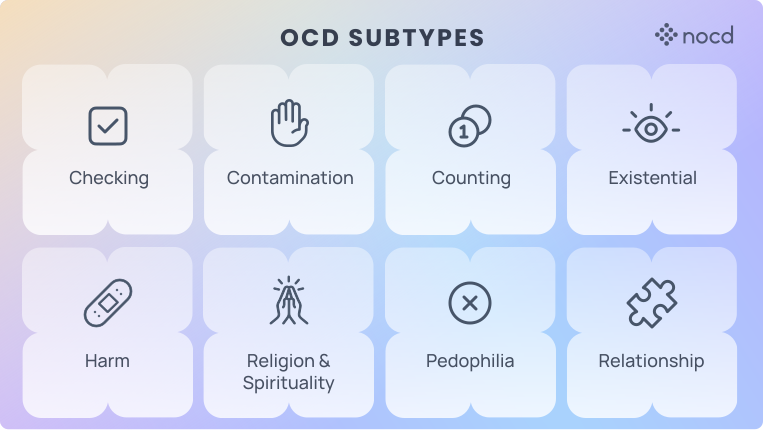
Everyone with OCD experiences obsessions and compulsions, but the specific fears OCD attaches to can show up in many different ways. These common patterns are often called OCD subtypes.
Subtypes are not separate diagnoses, and they do not always fit into neat categories. Many people experience more than one subtype, and many notice that their symptoms shift themes over time.
Still, learning about subtypes can help you recognize the OCD cycle in your life and understand that effective treatment is available, no matter what theme your symptoms focus on.
Below are 20 common OCD subtypes and the patterns they often involve.
1.Checking OCD
Checking OCD involves repetitive behaviors or mental rituals meant to prevent harm, avoid mistakes, or gain certainty that something bad hasn’t happened. These checks are driven by doubt and fear—not forgetfulness or carelessness.
Common obsessions:
- “What if I left the stove on?”
- “Did I lock the door?”
- “What if I made a mistake and someone gets hurt?”
Common compulsions:
- Repeatedly checking locks, appliances, or messages
- Mentally reviewing tasks or past events
- Seeking reassurance, such as asking, “Are you sure I didn’t mess that up?”
2.Contamination OCD
Contamination OCD involves fears of being harmed by germs, dirt, chemicals—or of spreading contamination to others. These fears are not limited to hygiene. Some people also fear emotional, mental, or moral contamination.
Common obsessions:
- “What if I get sick from touching that?”
- “What if I infect my family?”
- “What if this place is unsafe or unclean?”
Common compulsions:
- Excessive washing, cleaning, or sanitizing
- Avoiding “contaminated” people, places, or objects
- Replacing “contaminated” items
3.Counting OCD
Counting OCD involves fears or distress connected to specific numbers, patterns, or counting rituals. A person may feel like they need to count, repeat, or avoid certain numbers to prevent harm or make something feel “safe” or “right.”
Common obsessions:
- “If I don’t count to 8, something bad will happen.”
- “Odd numbers make me feel anxious.”
- “I have to do this the right number of times.”
Common compulsions:
- Mental counting during everyday tasks
- Avoiding numbers that don’t feel “safe” or “right”
- Repeating actions a certain number of times
4.Existential OCD
Existential OCD involves intrusive thoughts about questions of existence, reality, death, meaning, or free will. While many people wonder about these topics, Existential OCD can turn them into urgent, distressing questions that feel impossible to stop solving.
Common obsessions:
- “What if none of this is real?”
- “Why do I exist?”
- “What happens after death?”
Common compulsions:
- Excessive research to find the “truth”
- Ruminating for hours about philosophical questions
- Seeking reassurance that life, reality, or existence is certain
5.False Memory OCD
False Memory OCD involves intrusive doubts or fears about something you worry you may have done in the past, even when there’s no clear evidence it happened. These doubts can feel vivid or urgent, triggering guilt, shame, anxiety, or fear of consequences.
Common obsessions:
- “What if I cheated and forgot?”
- “What if I committed a crime years ago?”
- “What if that memory is real and I’m a terrible person?”
Common compulsions:
- Mentally reviewing past events
- Seeking reassurance or confessing
- Avoiding people or places that trigger the memory
6.Gender OCD (GOCD)
Gender OCD (GOCD) involves intrusive doubts, fears, or uncertainty about your gender identity. Unlike open-ended gender exploration, Gender OCD is driven by anxiety, distress, and a compulsive need to know for certain what your thoughts, feelings, or reactions mean.
Common obsessions:
- “What if I’m transgender and don’t realize it?”
- “What if I’ve been lying to myself about my gender?”
- “What if this thought or feeling means I’m not who I thought I was?”
Common compulsions:
- Mentally reviewing past feelings, memories, or identity experiences
- Obsessively testing your reactions to names, pronouns, clothes, or gendered situations
- Seeking reassurance or researching gender identity for certainty
7.Harm OCD
Harm OCD involves intrusive fears of hurting yourself or someone else, either accidentally or on purpose. These fears are often deeply distressing and inconsistent with a person’s desires, intentions, or values.
Common obsessions:
- “What if I stab someone with this knife?”
- “What if I push someone into traffic?”
- “What if I lose control and hurt someone?”
Common compulsions:
- Avoiding sharp objects, certain places, or being alone with others
- Mentally reviewing behavior for signs of danger
- Seeking reassurance, such as asking, “I wouldn’t actually do that, right?”
8.“Just Right” (Perfectionism) OCD
“Just Right” OCD involves an intense need for things to feel correct, complete, symmetrical, or perfect. Unlike ordinary preferences for order or high standards, these urges can feel distressing and difficult to resist. A person may repeat, adjust, or redo something until the sense of wrongness, discomfort, or uncertainty temporarily fades.
Common obsessions:
- “That didn’t feel right—I have to redo it.”
- “Everything must be symmetrical.”
- “If I don’t fix this, something bad might happen.”
Common compulsions:
- Repeating tasks until they feel complete or correct
- Rewriting, rereading, or redoing work
- Avoiding decisions because nothing feels certain or good enough
9.Magical Thinking OCD
Magical Thinking OCD involves fears that your thoughts, words, numbers, or actions could influence unrelated outcomes. A person may feel responsible for preventing harm or bad luck through rituals, even when part of them knows the connection does not make sense.
Common obsessions:
- “If I think this, something bad will happen.”
- “I must tap this four times or my family will die.”
- “That number is cursed.”
Common compulsions:
- Repeating words, phrases, or actions to prevent harm
- Mental rituals to “undo” evil or negative thoughts
- Avoiding numbers, words, objects, or actions that feel “unlucky”
10.Pedophilia OCD (POCD)
Pedophilia OCD (POCD) involves intrusive, unwanted sexual thoughts, images, or fears related to children. These thoughts can cause intense shame, anxiety, and distress, especially because they feel disturbing and inconsistent with the person’s values.
Common obsessions:
- “What if I’m attracted to children?”
- “Did I look at that child the wrong way?”
- “Am I a threat?”
Common compulsions:
- Avoiding children or situations where children may be present
- Mentally reviewing interactions for signs of attraction or danger
- Seeking reassurance or checking physical reactions
11.Perinatal OCD
Perinatal OCD involves intrusive thoughts, images, or fears that arise during pregnancy or the early postpartum period. These fears often center on the baby’s safety, the parent’s ability to prevent harm, or the possibility of causing harm by accident or on purpose. Perinatal OCD can affect people of any gender and is often underreported.
Common obsessions:
- “What if something I do harms the baby?”
- “What if I fall down the stairs while pregnant?”
- “What if I secretly want to hurt the baby?”
Common compulsions:
- Excessive research about pregnancy, baby care, and safety
- Mental checking, confessing, or reviewing thoughts
- Seeking repeated reassurance from healthcare providers or loved ones
12.Postpartum OCD
Postpartum OCD involves intrusive, unwanted thoughts, images, or fears that arise after childbirth. These fears often center on the baby’s safety, the parent’s ability to care for them, or the possibility of causing harm by accident or on purpose. The thoughts are often ego-dystonic, meaning they feel disturbing and inconsistent with the person’s values.
Common obsessions:
- “What if I smother my baby in my sleep?”
- “What if I snap and hurt my baby?”
- “Does having this thought mean I’m a bad parent?”
Common compulsions:
- Avoiding being alone with the baby
- Removing or avoiding objects, situations, or caregiving tasks that feel dangerous
- Mentally repeating prayers, phrases, or statements about how much you care for your child
13.Purely Obsessional (“Pure O”) OCD
“Pure O” OCD is a term often used for OCD where compulsions are mostly mental or hidden rather than visible to others. Despite the name, Pure O still involves compulsions, such as rumination, mental checking, reassurance-seeking, or trying to neutralize unwanted thoughts.
Because Pure O describes how compulsions show up more than what the obsession is about, the fears often overlap with other OCD subtypes.
Common obsessions:
- “What if I’m immoral, violent, or dishonest?”
- “What if this intrusive sexual or blasphemous thought says something about me?”
- “What if my doubts about my identity, memory, or reality are true?”
Common compulsions:
- Ruminating or mentally checking for certainty
- Neutralizing a “bad” thought with a “good” one
- Mentally reviewing past experiences to figure out what the thought “really” means
14.Real Event OCD
Real Event OCD involves obsessive guilt, shame, or fear about something that actually happened in the past. The event may be minor, ambiguous, or genuinely regrettable, but OCD turns it into the focus of intense rumination, self-blame, and a need for certainty about what it means.
Common obsessions:
- “What if I’m a bad person for doing that?”
- “What if others find out what I did?”
- “What if I can’t be forgiven?”
Common compulsions:
- Reassurance-seeking or confessing
- Mentally reviewing the event to figure out exactly what happened
- Avoiding reminders, people, or situations connected to the event
15.Relationship OCD (ROCD)
Relationship OCD (ROCD) involves intrusive doubts, fears, or uncertainty about a romantic relationship. These doubts may focus on your feelings, your partner’s feelings, your attraction, your compatibility, or whether the relationship is “right.”
Common obsessions:
- “Do I really love my partner?”
- “What if I’m not attracted to them?”
- “What if this relationship isn’t right?”
Common compulsions:
- Comparing your relationship to others
- Mental reviewing of feelings, conversations, or past experiences
- Testing feelings or avoiding intimacy
16.Responsibility OCD
Responsibility OCD involves intrusive fears about being responsible for harm, mistakes, or wrongdoing. Everyday decisions can start to feel dangerous or morally loaded, especially when OCD demands certainty that no one will be hurt because of something you did (or failed to do).
Common obsessions:
- “What if I cause an accident because I was careless?”
- “What if saying the wrong thing hurts someone?”
- “What if it’s my fault if something bad happens?”
Common compulsions:
- Overchecking or overexplaining yourself
- Avoiding decisions or responsibilities
- Confessing to minor or imagined mistakes

Find the right OCD therapist for you
All our therapists are licensed and trained in exposure and response prevention therapy (ERP), the gold standard treatment for OCD.
17.Scrupulosity (Religious) OCD
Scrupulosity OCD involves intrusive fears about moral or religious failure, sin, punishment, or being a bad person. Some people fear they have offended God, broken religious rules, or failed to practice their faith correctly. Others experience scrupulosity as intense doubt about whether they are ethical, honest, or good enough.
Common obsessions:
- “What if I offended God?”
- “Did I pray the wrong way?”
- “Am I going to hell?”
Common compulsions:
- Excessive prayer, confession, or mental review
- Repeating spiritual practices until they feel “right”
- Avoiding religious, moral, or ethical triggers
18.Sensorimotor (Somatic) OCD
Sensorimotor OCD, also called Somatic OCD, involves intrusive awareness of automatic bodily functions or sensations, such as breathing, blinking, swallowing, or your heartbeat. The awareness itself can become distressing, especially when a person feels unable to stop noticing or monitoring the sensation.
Common obsessions:
- “What if I never stop noticing my breathing?”
- “I can’t stop thinking about how often I blink.”
- “Is my heartbeat normal? I have to pay attention to check.”
Common compulsions:
- Trying to suppress, control, or “fix” the sensation
- Checking whether you’re still aware of the sensation
- Avoiding quiet or still environments where awareness feels stronger
19.Sexual Orientation OCD (SO-OCD)
Sexual Orientation OCD (SO-OCD) involves intrusive doubts, fears, or uncertainty about your sexual orientation. Unlike open-ended exploration, SO-OCD is often driven by anxiety, distress, and a compulsive need to know for certain what your thoughts, feelings, or reactions mean.
Common obsessions:
- “What if I’m secretly gay, straight, bisexual, or another orientation?”
- “What if I’ve been lying to myself?”
- “Did I enjoy that image too much?”
Common compulsions:
- Mentally reviewing past attractions
- Avoiding certain people, places, or media
- Testing reactions or seeking reassurance
20.Suicidal OCD
Suicidal OCD involves intrusive, unwanted thoughts, images, or fears about suicide or self-harm. These thoughts can feel disturbing and urgent, especially when they conflict with a person’s values or desire to live. Because thoughts of suicide or self-harm can have different causes, they should always be taken seriously and assessed by a qualified professional.
If you ever feel you might act on suicidal thoughts or are in crisis, contact the 988 Suicide and Crisis Lifeline by calling or texting 988 (U.S. only). If you’re outside the U.S., you can find international hotlines here or visit your nearest emergency department.
Common obsessions:
- “What if I jump off this balcony?”
- “What if I want to die and don’t realize it?”
- “Am I going to snap and do it?”
Common compulsions:
- Avoiding heights, medications, sharp objects, or other triggers
- Seeking reassurance, such as asking, “Do I seem okay to you?”
- Mentally checking whether you really want to live
How are different OCD subtypes treated?
OCD is treatable, no matter which subtype or theme your symptoms focus on.
The gold-standard treatment for all forms of OCD is exposure and response prevention (ERP) therapy, a specialized form of cognitive behavioral therapy (CBT). ERP helps people gradually face the thoughts, situations, feelings, or sensations that trigger obsessions while resisting the compulsions they usually perform to feel safe or certain.
Over time, ERP helps people build confidence in their ability to tolerate uncertainty, reduce compulsive behaviors, and respond differently when intrusive thoughts appear.
Because OCD can be misunderstood, it’s important to work with a therapist who has specific training in OCD and ERP. General talk therapy or CBT that isn’t adapted for OCD may be less effective, and in some cases can unintentionally reinforce compulsions.
Depending on a person’s needs, treatment may also include medication, acceptance and commitment therapy (ACT), or mindfulness-based strategies.
For severe or treatment-resistant symptoms, some people may need a higher level of care, such as an intensive outpatient program (IOP), a partial hospitalization program, residential treatment, or another specialized intervention.
Bottom line
Learning about OCD subtypes can help you put a name to the patterns you’re experiencing, but no matter what theme your OCD focuses on, effective treatment is available. With the right support, people with OCD can learn to tolerate uncertainty, reduce compulsions, and feel less controlled by intrusive thoughts.