



Chasity Steel
Licensed Therapist, MSW, LCSW
Want to work with Chasity?
Talk with our team to learn more
This is a non-judgmental space where you can share difficult things, including what you may not tell others. I’ll help you understand that you are more than a diagnosis, build confidence in explaining what you’re going through, and recognize the small wins that lead to bigger changes. My questions come from curiosity, not judgment, and we’ll work collaboratively so your goals reflect what matters to you. I also have experience treating depression, anxiety, panic, and phobias.
This is a non-judgmental space where you can share difficult things, including what you may not tell others. I’ll help you understand that you are more than a diagnosis, build confidence in explaining what you’re going through, and recognize the small wins that lead to bigger changes. My questions come from curiosity, not judgment, and we’ll work collaboratively so your goals reflect what matters to you. I also have experience treating depression, anxiety, panic, and phobias.


Location
Licensed in Texas
About

Clinical Expertise
OCD, Anxiety, Depression, Phobias


LGBTQ+ affirming

Cultural competencies
Christianity


Education
Aurora University
Insurance

Plans accepted by Chasity
Aetna, Ascension SmartHealth, Blue Cross Blue Shield, Blue Cross and Blue Shield of Vermont, Cigna, ClaimDOC, Claritev (MultiPlan) PHCS, Curative, EMI Health, Forest County Potawatomi, GEHA, Horizon BCBS, Imagine Health, Independence Blue Cross, Meritain Health, Partners Direct Health, UHC Student Services, UMR, UMR - The Alliance, United Health Care Student Services, United Healthcare,
Want to work with Chasity?
Talk with our team to learn more.

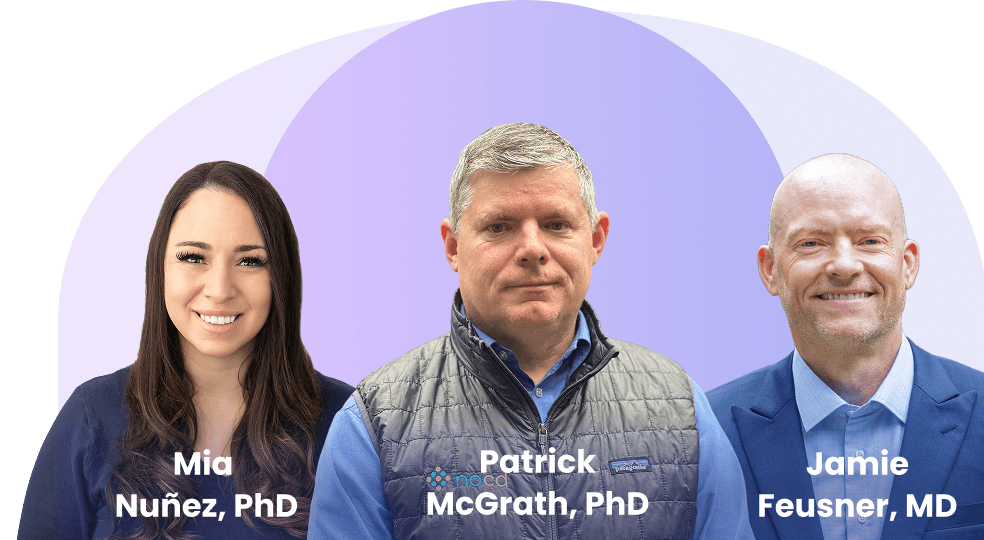
Meet the clinical leaders who manage our training program and support your care
Learn more about our training →

Find an OCD specialist in
All of our therapists are personally trained by our team of OCD experts. It's what sets us apart.