

Get to know
NOCD Therapists
Each month we sit down with NOCD therapists to share an inside look at what it means to build a career here.
Watch the latest episode
What makes NOCD different

The impact on members is real and measurable
Members see clinically significant OCD symptom reduction in as little as 1–2 months.

Training and support to do your best clinical work
Comprehensive ERP training and ongoing consultation groups mean you always have someone to turn to.

A culture that focuses on therapists growth
Streamlined tools that are easy to use, a team that listens and acts on feedback, and benefits that support you as a whole person.
Featured Episode

How I Left The Finance World To Become An OCD Therapist
Shanna Chappell, ALMFT, was working in private investment research by day and volunteering as a therapist outside of work. She knew which career she wanted to pursue, but getting there wasn't exactly straightforward. In fact, her first attempt to join NOCD didn't work out. A year later, Shanna applied again. This time, she came more prepared, had more clinical experience under her belt, and got the job. Now she's helping people with OCD through exposure and response prevention (ERP) therapy — a specialty she barely learned about in graduate school. This week on Get to know NOCD therapists, Shanna joins Dr. Patrick McGrath to talk about her career path, what she learned from the NOCD hiring process, and how specialized training and ongoing support have changed her confidence as a therapist. She also shares what it's really like working remotely at NOCD and her advice for therapists considering making the leap. If you’re ready to work somewhere specialized OCD treatment is the focus — not an afterthought — explore joining the team at NOCD: https://learn.nocd.com/therapist_careers Follow us on social media: https://www.instagram.com/treatmyocd/ https://twitter.com/treatmyocd https://www.tiktok.com/@treatmyocd
Watch nowRecent episodes
How I Left The Finance World To Become An OCD Therapist
Shanna Chappell, ALMFT, was working in private investment research by day and volunteering as a therapist outside of work. She knew which career she wanted to pursue, but getting there wasn't exactly straightforward. In fact, her first attempt to join NOCD didn't work out. A year later, Shanna applied again. This time, she came more prepared, had more clinical experience under her belt, and got the job. Now she's helping people with OCD through exposure and response prevention (ERP) therapy — a specialty she barely learned about in graduate school. This week on Get to know NOCD therapists, Shanna joins Dr. Patrick McGrath to talk about her career path, what she learned from the NOCD hiring process, and how specialized training and ongoing support have changed her confidence as a therapist. She also shares what it's really like working remotely at NOCD and her advice for therapists considering making the leap. If you’re ready to work somewhere specialized OCD treatment is the focus — not an afterthought — explore joining the team at NOCD: https://learn.nocd.com/therapist_careers Follow us on social media: https://www.instagram.com/treatmyocd/ https://twitter.com/treatmyocd https://www.tiktok.com/@treatmyocd
Watch now
I Was A Therapist For 20 Years Before I Truly Understood OCD
Shawn Welty had already spent nearly 20 years working across mental health when he decided to do something new: specialize in OCD. Learning ERP gave him tools he hadn’t had before, but just as important was realizing that becoming a specialist wasn’t something that ended when the training was over. Today, Shawn regularly brings difficult cases and questions to consultation groups, where he is able to continue to learn and grown. That ongoing support and support has given him more confidence to get creative with ERP, adapt when something isn’t working, and ultimately make a bigger impact for the people he treats. If you’re ready to deepen your ERP skills and work somewhere specialized OCD treatment is the focus — not an afterthought — explore joining the team at NOCD: https://learn.nocd.com/therapist_careers Follow us on social media: https://www.instagram.com/treatmyocd/ https://twitter.com/treatmyocd https://www.tiktok.com/@treatmyocd
Watch now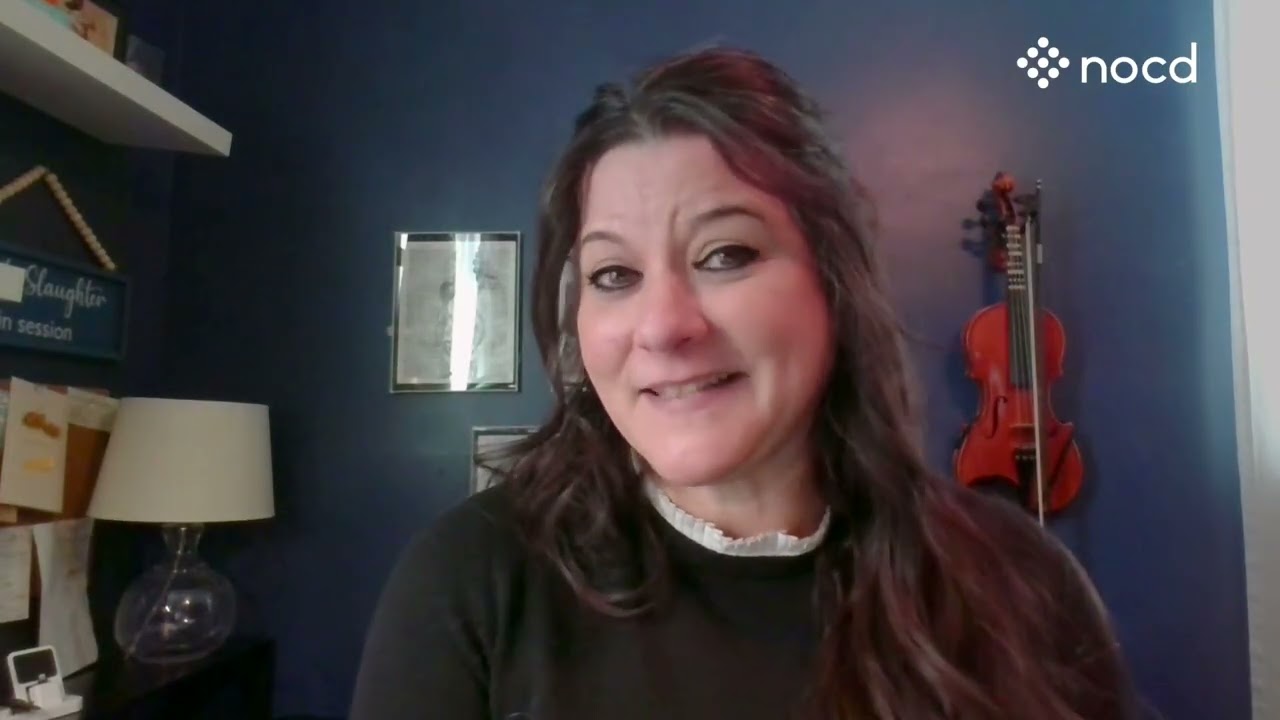
From Skeptical of a Recruiter Email to Loving Her Job: One NOCD Therapist's Story
Misti Slaughter almost ignored NOCD’s outreach email. Now she's specialized in treating OCD and says her time here has been everything she wanted in a career. Before NOCD, Misti worked in outpatient and hospital settings, where she often felt like real wins were the exception, not the norm. When a recruiter email first introduced her to NOCD, she was skeptical of an online-only company she'd never heard of. She decided to take the meeting anyway — and hasn't looked back since. In this video, Misti talks about the training that helped her specialize in treating OCD, the confidence she's gained in her clinical work, and what it's like to witness genuine care for both members and staff at NOCD. If you're an independently licensed therapist looking for a career where you feel supported and see real impact, we'd love to connect. Explore open roles: https://learn.nocd.com/therapist-careers Follow us on social media: https://www.instagram.com/treatmyocd/ https://twitter.com/treatmyocd https://www.tiktok.com/@treatmyocd
Watch now
I Wanted To Make A Bigger Impact As A Therapist
Dylan Mckelroy became a therapist to help people make meaningful, lasting change. After working in community mental health, he found himself searching for a more effective way to treat people, especially those struggling with OCD. That search led him to ERP, specialized training, and a completely different approach to therapy than he was accustomed to. In this episode, Dylan shares why he left traditional talk therapy behind, what it was like learning to treat OCD from the ground up, and how seeing measurable change in people's lives reaffirmed why he became a therapist in the first place. If you’re ready to deepen your ERP skills and work somewhere specialized OCD treatment is the focus — not an afterthought — explore joining the team at NOCD: https://learn.nocd.com/therapist_careers Follow us on social media: https://www.instagram.com/treatmyocd/ https://twitter.com/treatmyocd https://www.tiktok.com/@treatmyocd
Watch now
What It's Like To Be A NOCD Therapist
Barbara Windeknecht and Alexi Pyles have both worked traditional therapy jobs so they know what the tradeoffs usually look like: commuting, shared offices, rigid schedules, and trying to squeeze the rest of life around the work. At NOCD, they’ve found something different: a fully remote setup where they can see members from home, build schedules that actually fit their lives, and still feel connected to a larger team of clinicians doing the same work. In this video, they walk you through what that day-to-day looks like and why this setup helps them show up better for the people they treat. If you’re ready to deepen your ERP skills and work somewhere specialized OCD treatment is the focus — not an afterthought — explore joining the team at NOCD: https://learn.nocd.com/therapist_careers Follow us on social media: https://www.instagram.com/treatmyocd/ https://twitter.com/treatmyocd https://www.tiktok.com/@treatmyocd
Watch now
Why ERP Therapy Works So Well For OCD
ERP therapy is different from what most people imagine. Instead of just talking about fears, it helps people with OCD gradually face the thoughts, situations, and sensations they’ve been avoiding. In this video, NOCD therapists Barbara Windeknecht and Alexi Pyles explain what that looks like in real life — from contamination exposures and “just right” OCD to emetophobia, social anxiety, and phobias. They also share why their work is so rewarding: members start re-doing things OCD once took away from them, like going back to work, school, relationships, and daily routines. The conversation also covers why virtual ERP can be just as effective as in-person treatment. If you’re ready to deepen your ERP skills and work somewhere specialized OCD treatment is the focus — not an afterthought — explore joining the team at NOCD: https://learn.nocd.com/therapist_careers Follow us on social media: https://www.instagram.com/treatmyocd/ https://twitter.com/treatmyocd https://www.tiktok.com/@treatmyocd
Watch now
I Got Better From OCD... Now I Help Others Do the Same
For a long time, OCD made life feel overwhelming and exhausting until Cody Fournier finally found a type of treatment that actually worked. What started as his own search for relief turned into something much bigger. After experiencing firsthand what it’s like to come out the other side, he realized he wanted to help other people do the same. In this video, Cody shares how his journey with OCD led him to become a therapist for NOCD, what surprised him most about treating others, and why seeing real change in his clients has been the most rewarding part of the work. At NOCD, we specialize in exposure and response prevention (ERP) therapy, the most effective treatment for OCD—a treatment that can help you live a fulfilling life. If you’re ready to take your first step, book a free 15-minute call with us at https://learn.nocd.com/YT Watch full interview: https://youtu.be/Tw5FfJyl0xw Follow us on social media: https://www.instagram.com/treatmyocd/ https://twitter.com/treatmyocd https://www.tiktok.com/@treatmyocd
Watch now
I Had OCD, Now I Treat It Every Day
Alyssa Lentz had enough of OCD interfering with her life personally so she never imagined treating it professionally. Like many therapists, her early training barely scratched the surface of what it actually takes to treat OCD effectively. But after pursuing specialized training and surrounding herself with others doing the same work, everything started to click. In this episode, Alyssa shares what it’s like to go from living with OCD to treating it every day — how her understanding of the disorder evolved, what makes exposure and response prevention (ERP) so effective, and why having the right support and community can completely change how you show up as a therapist. It’s a full-circle story that highlights both the challenges and the impact of doing treatment the right way. If you’re ready to deepen your ERP skills and work somewhere specialized OCD treatment is the focus — not an afterthought — explore joining the team at NOCD: https://learn.nocd.com/therapist_careers Follow us on social media: https://www.instagram.com/treatmyocd/ https://twitter.com/treatmyocd https://www.tiktok.com/@treatmyocd
Watch now
How I Went From Not Knowing OCD to Treating It Every Day
When Alessandra Rizzotti first started her therapy career, OCD was barely covered in her training — just a brief mention, without much depth or real guidance on how to treat it. Like many therapists, she had experience with approaches like CBT and DBT, but didn’t truly understand how OCD works or how often it gets missed, misdiagnosed, or treated the wrong way. In this episode, Alessandra shares how that changed 180 degrees after joining NOCD. She talks about what surprised her most, how her understanding of OCD completely shifted, and what it actually takes to feel confident treating a condition that’s often far more complex than people realize. At NOCD, we specialize in exposure and response prevention (ERP) therapy, the most effective treatment for OCD—a treatment that can help you live a fulfilling life. If you’re ready to take your first step, book a free 15-minute call with us at https://learn.nocd.com/YT Follow us on social media: https://www.instagram.com/treatmyocd/ https://twitter.com/treatmyocd https://www.tiktok.com/@treatmyocd
Watch now
The Difference Between A General Therapist And An OCD Specialist
Faith Hilmer didn’t set out to become an OCD specialist. In fact, like many therapists, she went through graduate school without ever really being taught how to treat the disorder at all. In this conversation with Dr. Patrick McGrath, she talks about that moment of realization—discovering that OCD is often misunderstood in traditional therapy training and that the approaches many clinicians learn aren’t always effective for people living with it. Faith shares what it was like joining NOCD and going through the company’s intensive training program, where she had to rethink familiar therapy habits, practice ERP techniques in real time, and learn how OCD actually operates beneath the surface. If you’re ready to deepen your ERP skills and work somewhere specialized OCD treatment is the focus — not an afterthought — explore joining the team at NOCD: https://learn.nocd.com/therapist_careers Follow us on social media: https://www.instagram.com/treatmyocd/ https://twitter.com/treatmyocd https://www.tiktok.com/@treatmyocd
Watch now
Ready to join the NOCD
therapist network?
Apply today and take the next step
in your clinical career.